

June HVACR Price Increases: What Building Owners Need to Know
Quick Answers for Property & Facility Managers
How will the June HVACR price increases affect my building’s operating and capital budgets?
June HVACR price increases on flexible duct, insulation, valves, and filtration products will likely show up as higher project bids and service invoices. For most commercial buildings, the impact will be felt in replacement projects, tenant fit-outs, and preventive maintenance contracts over the next 6–12 months, not just in June alone.
Should I accelerate, delay, or re-scope HVAC projects in response to these June price increases?
Treat June HVACR price increases as a signal to re-check your project pipeline, not to panic. For near-term, critical reliability or code-driven projects, delaying work can be riskier than absorbing moderate price changes. For discretionary upgrades, ask contractors to re-scope options, value-engineer materials, and provide alternates to manage first cost without sacrificing performance.
Which HVAC product categories are most affected by the June price increases?
The June announcements primarily affect flexible duct, mechanical insulation, valves, and filtration products, with some manufacturers implementing increases that reach into the double-digit range.[7] These categories underpin most air distribution, hydronic, and indoor air quality work, so you can expect impacts across tenant build-outs, retrofits, and maintenance contracts.
June HVACR price increases: what’s changing and why it matters
HVACR manufacturers have announced a new round of June price increases affecting key categories like flexible duct, mechanical insulation, valves, and filtration products, with some adjustments reaching double-digit percentages.[7] For property managers, facility managers, and building owners, these changes will not just impact individual parts, but the total cost of commercial HVAC projects and ongoing service over the coming year.
According to ACHR News’ June 2026 price update, manufacturers implemented increases across a broad mix of components used in light commercial rooftop units (5–25 tons), dedicated outdoor air systems (DOAS), variable refrigerant flow (VRF) systems, hydronic loops, and air-side distribution.[6][7] In many cases, these changes build on earlier 2026 adjustments tied to inflation, commodity volatility, and the industry’s refrigerant transition.[2]
While each manufacturer’s pricing is different, the net effect for most commercial portfolios is clear: expect higher material line items on bids and service proposals that touch duct systems, piping, and air filtration.
Key HVAC product categories impacted in June
For building owners and facility managers, the most important step is understanding which categories are affected so you can anticipate where your budgets may move. June HVACR price increases, as reported by industry news sources, are concentrated in several high-usage product groups.[7]
Flexible duct and air distribution components
Flexible duct is widely used in commercial tenant build-outs, smaller branch runs, and retrofit projects where space and labor constraints favor flexible over rigid ductwork. Price increases in this category will primarily affect:
- Office tenant improvements with new or reconfigured VAV boxes and branch runs
- Retail and restaurant build-outs where flex duct is common in ceilings and back-of-house areas
- Small air-side revisions for conference rooms, server rooms, or wellness spaces
Because flexible duct is often a large material line item in these jobs, even mid-single to low double-digit increases can move total project cost enough to exceed contingency allowances on tight budgets.
Insulation for ductwork and piping
Mechanical insulation is critical for meeting ASHRAE 90.1 energy-efficiency requirements and local energy codes. June price increases on insulation products will influence:
- Chilled water and hot water piping in central plants and hydronic loops
- Supply and return duct insulation in air-handling systems
- Condensate and refrigerant piping for VRF and split systems
Skipping or reducing insulation is not a viable value-engineering option because it can lead to higher energy use, condensation issues, and non-compliance with energy standards endorsed by ASHRAE and enforced via building codes.
Valves and hydronic accessories
Price increases on valves and related hydronic accessories will show up in projects involving boilers, chillers, heat pumps, and fan coils. These components are central to:
- Shut-off, balancing, and control of chilled and hot water distribution
- Retro-commissioning and TAB (testing, adjusting, and balancing) work
- Converting constant volume systems to variable-flow designs
Modest increases in valve pricing can have a compounding effect on hydronic projects with dozens or hundreds of valves across multiple risers and mechanical rooms.
Filtration and IAQ-related products
Filtration products and related air quality components are another area seeing June price adjustments. Filtration costs are especially important in:
- Healthcare facilities and labs that operate under strict filtration standards
- Class A office buildings targeting higher MERV ratings to support wellness goals
- Educational and government facilities funded by grants or bond programs
Because the EPA and public health agencies continue to emphasize filtration and ventilation as key tools for indoor air quality, failing to maintain proper filter performance to save cost is a high-risk strategy.
Budgeting impacts for commercial properties and portfolios
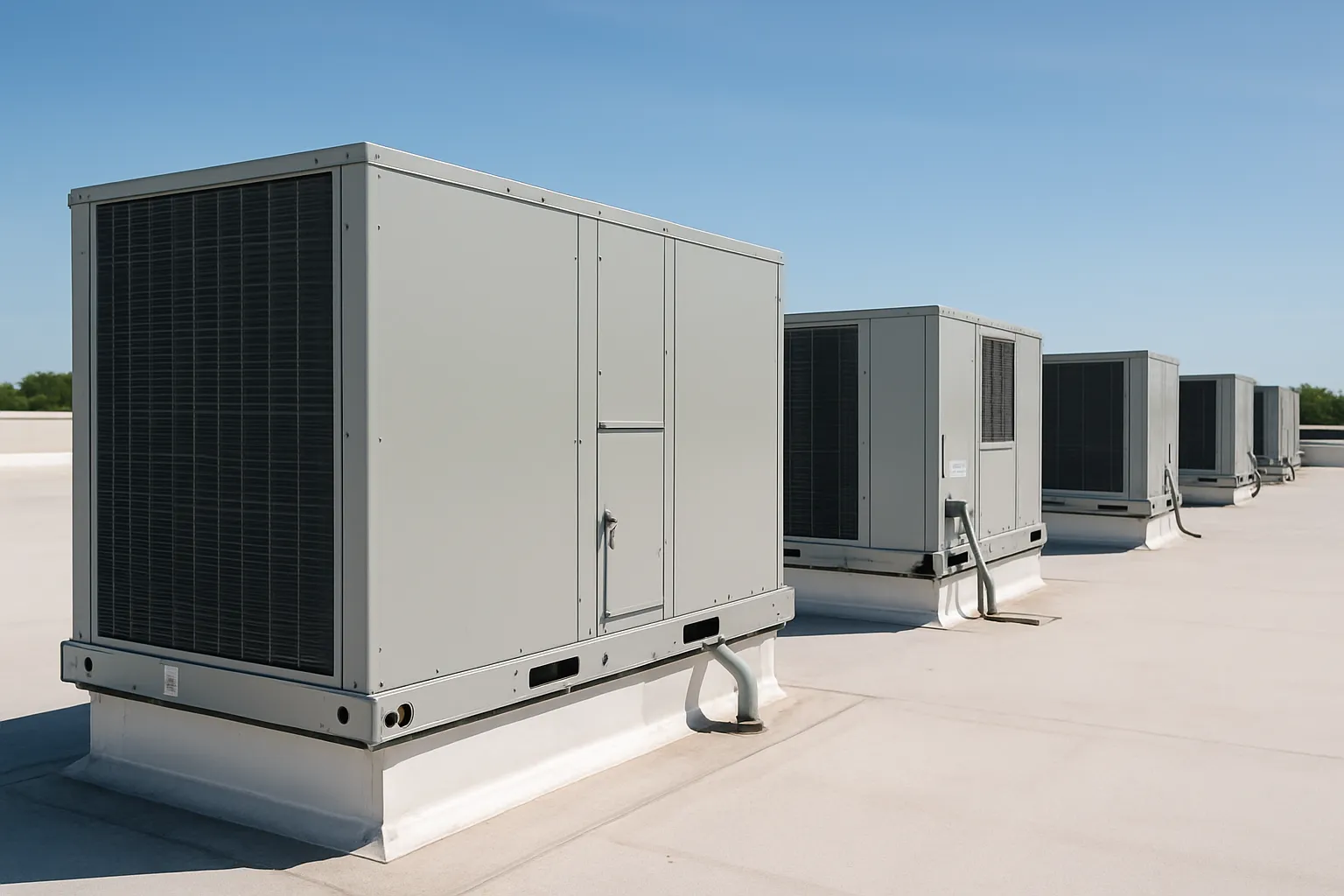
From a budgeting perspective, the June HVACR price increases will generally manifest in two areas: capital projects (CapEx) and operating expenses (OpEx). Commercial HVAC is already a large and growing market, with U.S. commercial HVAC spend estimated around $45–50 billion in 2025 and projected to approach $70 billion by decade’s end.[1] Incremental price shifts on materials can meaningfully influence your share of that spend.
Capital projects: new construction and major retrofits
For new construction, gut renovations, and large system replacements (for example, replacing multiple 20–30 ton RTUs, a central plant chiller, or a floor of fan coil units), your design and construction teams will be sourcing a broad mix of duct, insulation, valves, and filtration devices. June increases may:
- Push lump-sum bids above original estimates, stressing pro forma assumptions
- Reduce the amount of contingency left for unforeseen conditions
- Force re-prioritization within multi-year capital plans across a portfolio
Multi-building owners and REITs should ask for updated cost models from project managers where HVAC scopes are substantial. For projects in the design phase, request updated cost opinions reflecting current material pricing.
Operating costs: preventive maintenance and repairs
On the operating side, most commercial portfolios will feel the increases gradually, as maintenance contracts renew and as consumables are replaced. Areas likely to see impact include:
- Filter change-out costs for air handlers and rooftop units
- Repair work that involves duct revisions or valve replacements
- Small project work orders associated with tenant churn and minor reconfigurations
Because HVAC energy use is a major contributor to building operating costs, complying with ASHRAE 62.1 and 90.1 standards and DOE efficiency requirements remains essential, even if materials are more expensive. Cutting scope in ways that undermine ventilation, insulation, or control performance often leads to higher long-term OpEx.
Strategic responses for building owners and facility managers
While price increases are outside your direct control, your procurement and asset-management strategy can significantly influence their impact on NOI and lifecycle cost.
1. Revisit multi-year HVAC capital plans
Use the June price announcements as a trigger to revisit 3–5 year HVAC capital plans at the portfolio level. Focus on:
- Re-sequencing non-critical projects to align with lease events or funding windows
- Bundling similar projects (for example, multiple RTU or fan coil replacements) to leverage purchasing scale
- Prioritizing replacements where old equipment is inefficient, uses phased-down refrigerants, or poses reliability risks
Industry trends such as the refrigerant transition and rising energy performance expectations mean that deferring all projects is usually not the optimal answer.[2][3]
2. Tighten specifications around performance, not brands
In a rising-cost environment, locking specs to a single brand can limit your ability to navigate price changes. Instead, work with your engineers and service partners to specify:
- Performance metrics (efficiency, capacity, pressure drop) aligned with ASHRAE and DOE guidance
- Minimum filtration levels, noise criteria, and control integration requirements
- Acceptable ranges of equivalent products to allow competitive bidding
This approach preserves code compliance and building performance while allowing contractors to propose cost-effective alternates when one manufacturer’s pricing jumps.
3. Optimize maintenance contracts and stocking strategies
Ask your HVAC service providers how these June increases affect their cost basis and what they recommend for mitigation. Consider:
- Renegotiating filter and belt change schedules where appropriate, ensuring they still meet OEM and ASHRAE guidance
- Strategic stocking of critical valves, filters, and common duct fittings for mission-critical sites (hospitals, data centers, 24/7 operations)
- Locking in pricing for 6–12 months on high-volume consumables where vendors are willing
A data-driven preventive maintenance program, informed by ASHRAE best practices and increasingly by AI-assisted diagnostics, can help reduce unplanned failures and emergency repair premiums.[3]
4. Leverage efficiency and IAQ upgrades to offset cost pressure
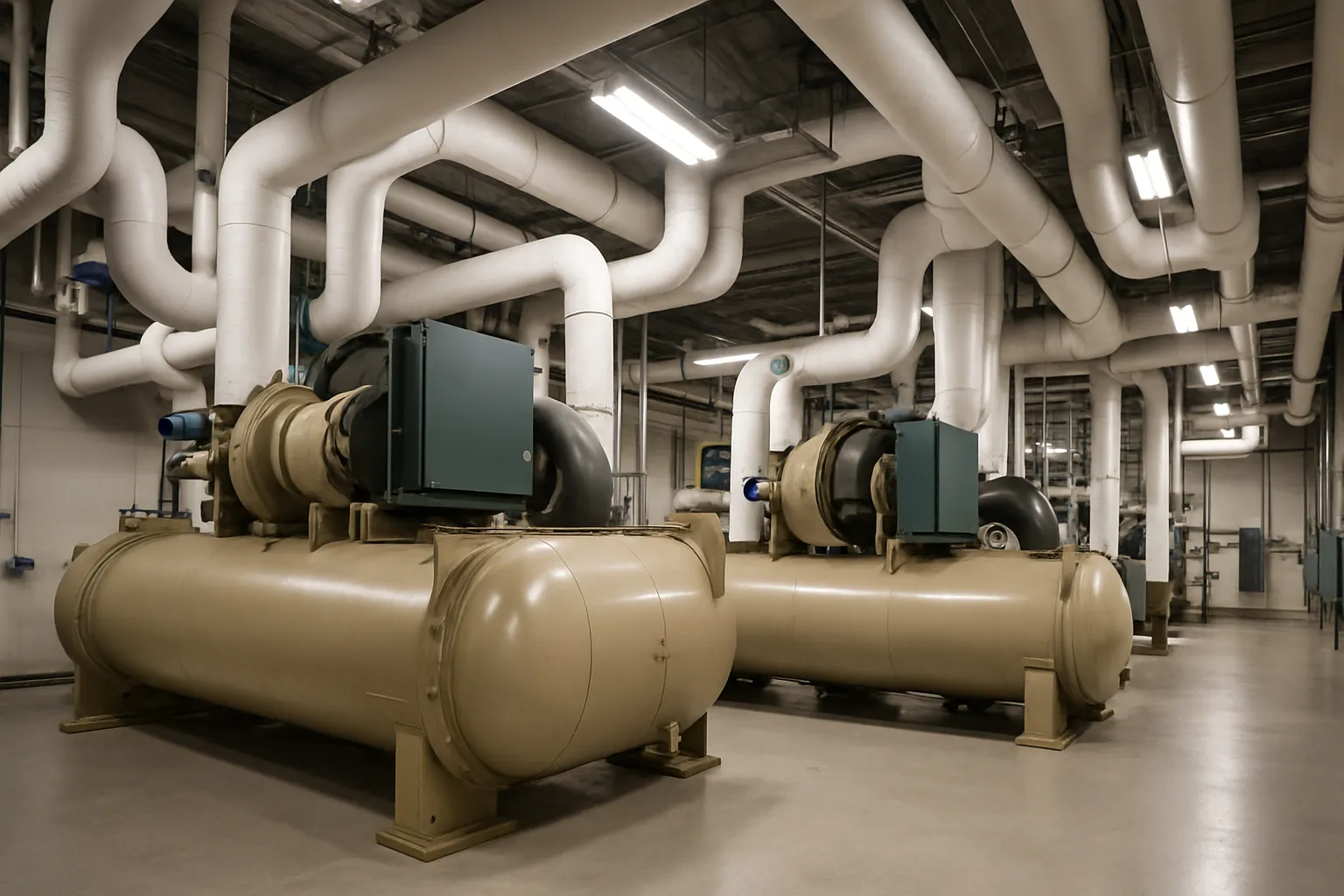
DOE efficiency standards and ASHRAE guidelines continue to push the market toward higher-efficiency equipment and better IAQ. Although upfront costs may rise, these upgrades can generate operating savings that offset material price increases over time. Examples include:
- High-efficiency RTUs and chillers that reduce kWh and peak demand charges
- Advanced filtration and ventilation controls that maintain IAQ without over-ventilating
- Energy management systems that optimize setpoints and schedules across a portfolio
Where available, incentives from utilities or government programs can further improve ROI on these projects, helping counterbalance higher HVACR material costs.
Communicating HVAC cost changes to stakeholders and tenants
Transparent communication around HVAC cost drivers can help maintain trust with asset managers, tenants, and financial stakeholders.
Explain the external drivers clearly
When presenting budget updates, emphasize that these June price changes are driven by manufacturer and supply-chain dynamics, as documented by established industry publications like ACHR News, rather than by local contractor markups.[6][7] Connecting the discussion to broader industry trends—such as inflation, refrigerant transitions, and energy code changes—adds context.
Connect HVAC spending to risk management, compliance, and ESG
Frame HVAC decisions in terms of:
- Regulatory compliance with ASHRAE-informed codes and EPA refrigerant rules
- Risk reduction, including reliability of critical systems and tenant comfort
- ESG and sustainability goals tied to energy efficiency and IAQ
This framing makes it easier to justify investments that may be more expensive in the short term but support long-term asset value and corporate objectives.
Action checklist for the next 90 days
To respond effectively to June HVACR price increases, building owners and facility managers can focus on a concise 90-day action plan:
- Review open and upcoming HVAC bids for flex duct, insulation, valve, and filtration exposure
- Ask engineers and contractors to flag any budget estimates that relied on pre-June pricing assumptions
- Update capital plans for large HVAC projects over 10 tons of capacity per unit, especially where material content is high
- Engage your service provider to understand how maintenance contract pricing may change at renewal
- Identify opportunities to bundle efficiency or IAQ upgrades with unavoidable replacement projects
Proactive planning will not eliminate price increases, but it can help you control how they flow through your P&L and capital stack, ensuring that your HVAC strategy continues to support occupant comfort, compliance, and long-term asset performance.
Frequently Asked Questions
How much will June HVACR price increases change my total project costs?
The June HVACR price increases focus on materials such as flexible duct, insulation, valves, and filtration, with some manufacturers implementing double-digit adjustments.[7] The net impact on total project cost typically depends on how material-heavy the scope is, but even modest percentage increases can erode contingencies on large commercial HVAC jobs.
Can I safely reduce scope to offset June HVACR price increases?
You should be cautious about cutting scope in ways that undermine code compliance, ASHRAE standards, or long-term performance. Reducing insulation levels, downgrading filtration below design intent, or omitting controls can increase energy use, risk condensation or IAQ issues, and potentially create liability, outweighing short-term savings from avoiding higher material prices.
Are June HVACR price increases likely to reverse later this year?
Recent years have seen persistent upward pressure on HVACR pricing driven by inflation, tariffs, commodity volatility, and refrigerant transitions.[2] Once list prices rise, they rarely move back down in the short term. Owners are better served by adjusting forecasts, leveraging competitive bidding, and pursuing efficiency to manage lifecycle costs rather than waiting for broad price rollbacks.
How should portfolio owners integrate these increases into multi-year capital planning?
Portfolio owners should refresh multi-year HVAC capital plans with updated unit costs, re-evaluate the timing of marginal projects, and bundle similar replacements to gain purchasing leverage. Aligning HVAC investments with major lease events, performance standards like ASHRAE 90.1, and ESG objectives helps ensure that higher near-term costs still support long-term asset value and risk reduction.
Do these price increases change the ROI of high-efficiency HVAC upgrades?
Higher material and equipment prices increase first cost, but rising energy prices and stricter energy codes mean efficiency upgrades can still offer strong ROI. DOE and ASHRAE-aligned high-efficiency systems reduce operating costs and may qualify for incentives, often offsetting the incremental premium and, in some cases, improving lifecycle economics compared with like-for-like replacements.
Related Reading on My HVAC Tech
- A2L Refrigerant Regulations: Compliance Guide for Commercial Buildings
- Commercial HVAC Repair: Practical Tips for Property Managers
Find a Qualified Commercial HVAC Contractor
Need help acting on this? Browse vetted commercial HVAC contractors in your area, or explore commercial HVAC services like preventive maintenance, retrofits, and emergency repair. Are you a contractor? List your business on My HVAC Tech to reach property and facility managers actively searching for help.
Sources
Originally sourced from ACHR News