

Local Law 97 Explained: Compliance Guide for Commercial Buildings
Quick Answers for Property & Facility Managers
What is Local Law 97 and who does it apply to?
Local Law 97 is New York City’s building emissions law. It applies to most buildings over 25,000 gross square feet, plus certain combined properties on the same tax lot or under the same condominium board. Covered owners must track and report emissions and meet building-specific carbon limits.
What happens if a building is out of compliance with Local Law 97?
If a covered building exceeds its emissions limit, the owner can face an annual civil penalty based on excess emissions, commonly cited as $268 per metric ton of CO2e over the limit. Missing required filings can also trigger monthly square-foot-based penalties, so reporting accuracy matters as much as performance.
What Local Law 97 Means for Commercial Building Owners
Local Law 97 is New York City’s flagship building emissions law under the Climate Mobilization Act, and it is designed to reduce greenhouse gas emissions from the city’s largest buildings. For property managers, facility managers, and building owners, the practical issue is that compliance is measured building by building, using emissions intensity limits tied to occupancy type and gross floor area, not just utility spend or energy use intensity. The law began phasing in its first compliance period in 2024, with annual reporting beginning in 2025 for prior-year emissions. [6][7][9]
Unlike a traditional energy code, Local Law 97 focuses on carbon emissions. That makes HVAC systems, fuel choice, electrification strategy, controls, and envelope performance central to compliance planning for office, retail, healthcare, warehouse, and mixed-use assets. NYC describes the law as applying to most buildings over 25,000 gross square feet, including some grouped properties that exceed 50,000 square feet collectively. [6]
Which Buildings Are Covered Under Local Law 97
Local Law 97 covers three main property categories: a building that exceeds 25,000 gross square feet, two or more buildings on the same tax lot that together exceed 50,000 gross square feet, and two or more condominium buildings governed by the same board of managers that together exceed 50,000 gross square feet. That coverage structure means a portfolio review matters as much as a single-building review for owners with multiple assets in New York City. [6]
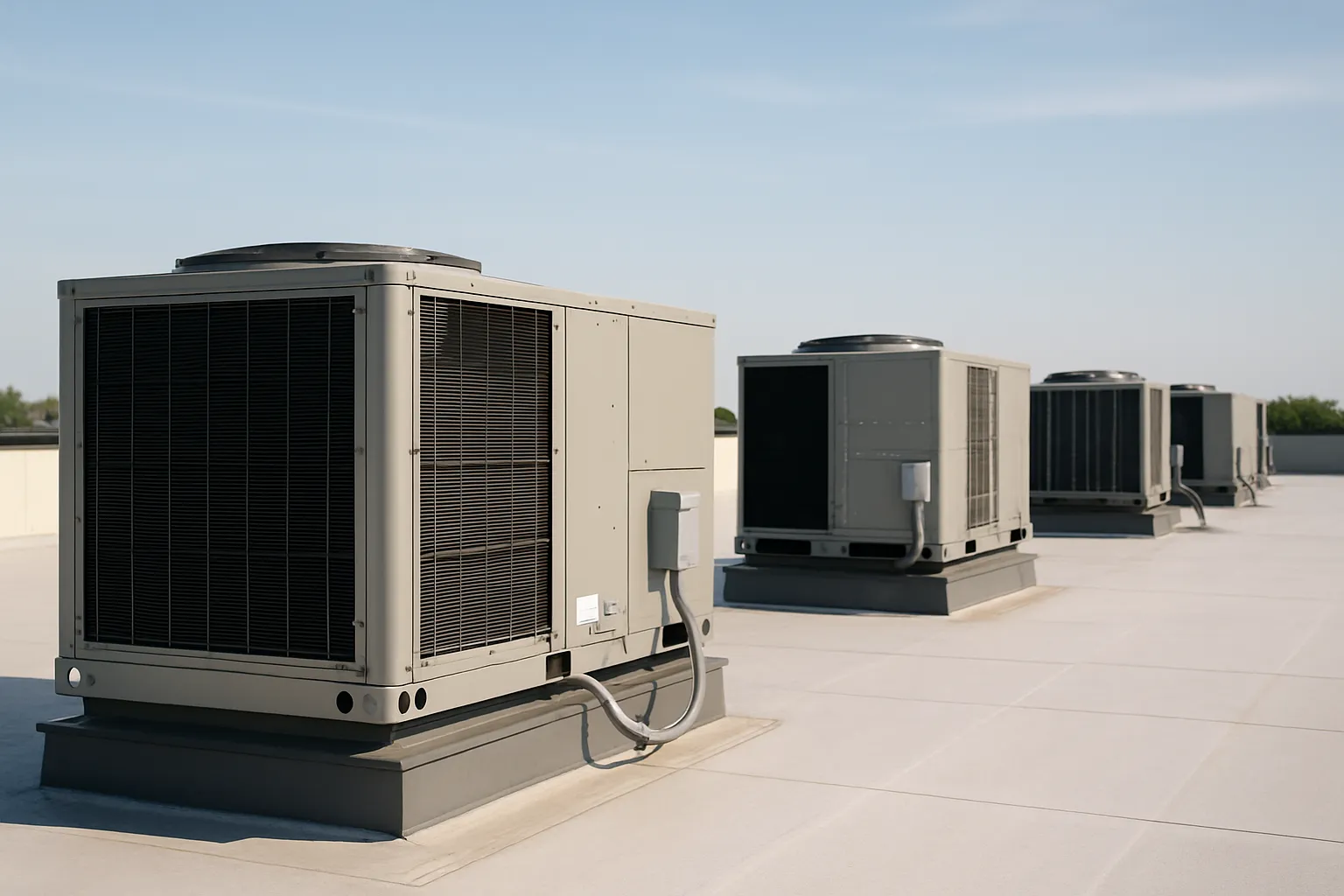
For commercial operators, this typically includes large office towers, shopping centers, hotels, hospitals, distribution facilities, and certain mixed-use properties. The regulation is especially relevant for buildings with older gas-fired boilers, steam systems, constant-volume air handlers, inefficient chillers, or poor control sequences, because those systems can drive emissions above the allowed cap even when the building remains fully occupied and operational. [3][6]
Local Law 97 Compliance Deadlines and Reporting Requirements
The first compliance period began January 1, 2024 and runs through 2029, with later periods becoming more stringent. Industry and legal summaries identify subsequent phases as 2030-2034 and 2035-2049/2050, while NYC and advocacy materials emphasize that limits tighten over time until the city’s long-term decarbonization goal. [3][4][7]
Annual greenhouse gas reporting is a core obligation. Building owners must file an annual emissions report starting in 2025 for the previous calendar year, and the report must show whether the building complied with the applicable limit or by how much it exceeded it. NYC and legal guidance also note that some buildings subject to prescriptive measures still must file annual reports. [7][9]
For many commercial properties, the operational takeaway is simple: compliance is not a once-a-decade engineering exercise. It requires continuous utility data management, coordination with your energy consultant or service provider, and early planning for equipment replacement cycles so capital projects align with the law’s tightening limits. [7][9]
How Local Law 97 Penalties Work
Penalties can be material. Multiple sources describe an excess-emissions civil penalty of $268 for every metric ton of carbon dioxide equivalent emitted over the legal limit. That means a relatively small miss on a large building can translate into a meaningful annual cost exposure, especially for high-load commercial assets. [5][7]
Reporting failures are also penalized. Guidance published by legal and policy sources states that failure to submit the annual report can trigger a monthly penalty based on gross floor area, commonly described as $0.50 per square foot per month until the filing is submitted. False statements in the annual report may lead to even larger fines and other legal consequences. [7]
For property managers and owners, the risk is not only the direct fine. A noncompliant building can also face leasing friction, due diligence issues in sales or refinancing, and unplanned capital spending if emissions reductions are delayed until the final years before a deadline. [4][7]
What HVAC and Building Systems Changes Usually Matter Most
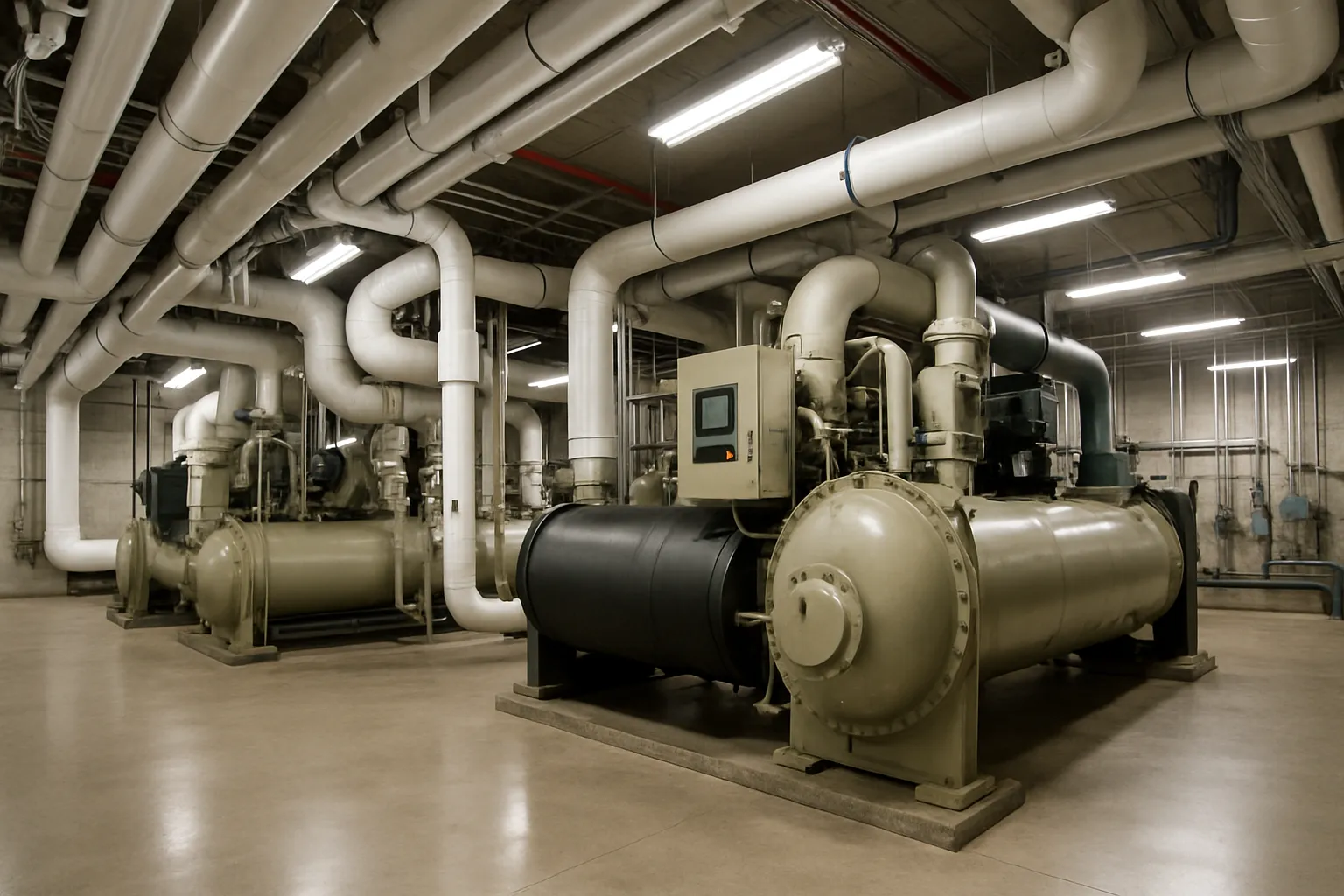
Because Local Law 97 is emissions-based, HVAC and central plant decisions are often the biggest drivers of compliance. Common measures include boiler replacements, chiller upgrades, heat pump retrofits, airside optimization, VFD installation, building automation improvements, demand-controlled ventilation, recommissioning, and better submetering and fault detection. These are especially important for properties with large thermal loads, such as office buildings, healthcare facilities, retail centers, and cold-storage-adjacent warehouse operations. [3][6]
Owners should also evaluate decarbonization options that reduce or eliminate combustion onsite, because gas-fired heating and domestic hot water can be a major emissions source even in otherwise efficient buildings. In many cases, the compliance conversation is shifting from “What is the cheapest equipment replacement?” to “What is the lowest-carbon path that also fits the capital plan and tenant needs?”
Local Law 97 is also part of a broader policy landscape that includes federal and national energy efficiency and refrigerant policy. ASHRAE standards influence HVAC design and operational efficiency, while the U.S. Department of Energy and EPA shape appliance efficiency, electrification, and refrigerant transition policy. The AIM Act gives EPA authority to phase down hydrofluorocarbons, which matters because refrigerant choices can affect long-term system design, maintenance, and climate impact. [10]
Step-by-Step Local Law 97 Compliance Roadmap for Property Teams
Start with a building list and confirm coverage status, gross square footage, tax-lot grouping, and condominium governance. Many compliance mistakes begin with incorrect asset classification, so portfolio screening should be your first step. [6][9]
Next, benchmark actual performance using utility data, meter records, and any available ENERGY STAR Portfolio Manager setup. Even if the law does not reward a benchmark score by itself, Portfolio Manager is central to emissions tracking and annual reporting workflows. [4][7][9]
Then, model your emissions against the applicable cap for each building and identify the gap. For many owners, this means comparing current HVAC fuel use, electric load, refrigerant strategy, and operating schedules against likely future performance under tighter compliance periods. [3][7]
After that, prioritize low-cost operational measures first: recommission the building, tighten setpoints, repair simultaneous heating and cooling, calibrate sensors, optimize schedules, and verify controls. These actions are often the fastest way to reduce emissions without waiting for major capital projects.
Then build a capital roadmap for larger measures such as boiler plant conversion, heat recovery, chiller replacement, electrification, insulation, glazing, or rooftop and airside upgrades. For many commercial assets, the best approach is to align Local Law 97 projects with normal replacement cycles so the building avoids stranded equipment and rushed procurement. [3][4]
Finally, maintain annual reporting discipline. Assign responsibility for data collection, legal review, engineering sign-off, and filing deadlines so that compliance is managed like any other recurring regulatory obligation. That process should be documented, auditable, and portfolio-wide. [7][9]
How Property Managers, Facility Managers, and Owners Should Prepare Now
For commercial real estate teams, Local Law 97 should be treated as a capital planning and risk management issue, not just a sustainability initiative. The best first move is to identify which assets are covered, estimate the emissions gap, and decide whether each property can comply through operations, retrofit, electrification, or a combination of all three. [6][7]
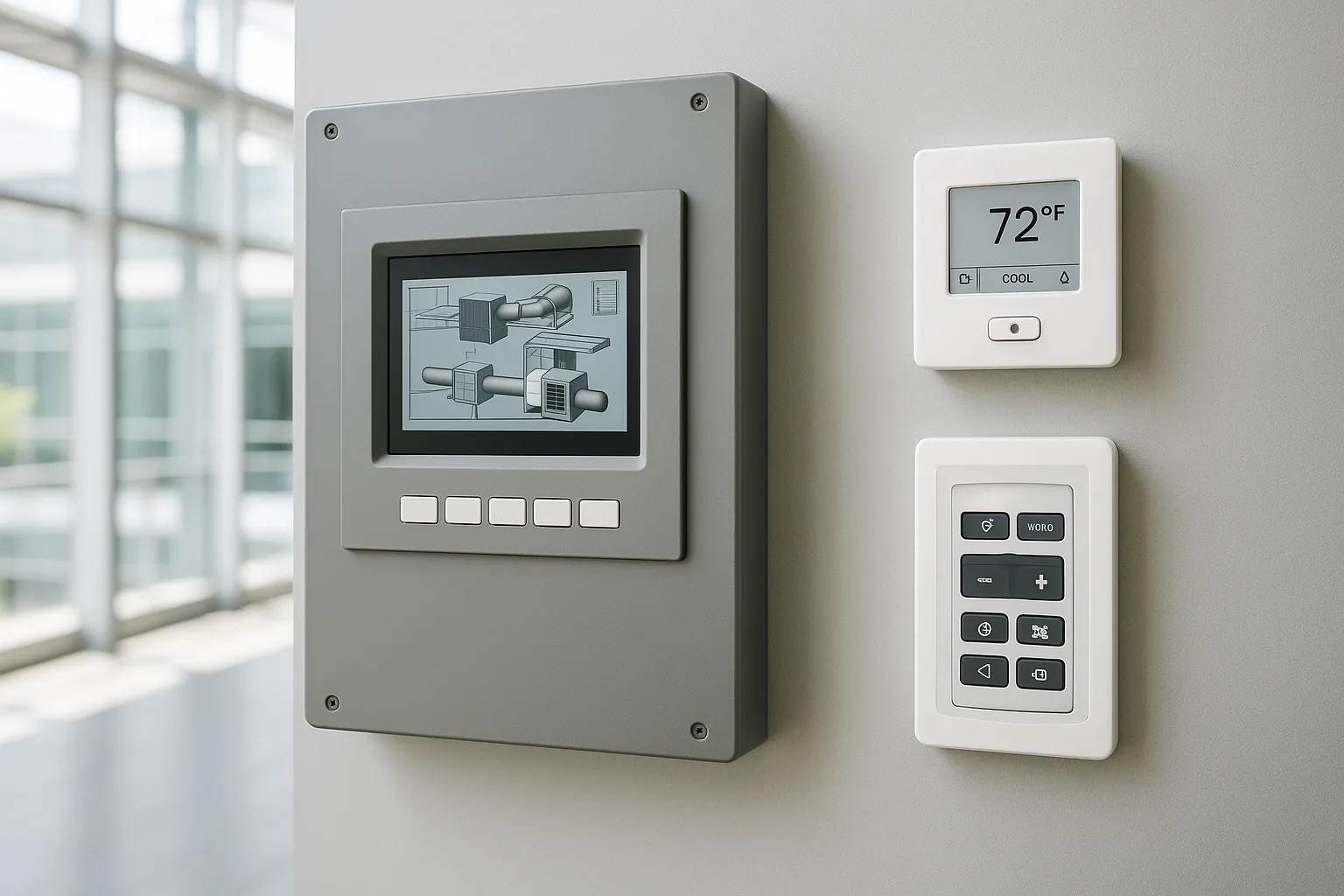
If your building is an office tower, retail center, hospital, or warehouse, start by reviewing HVAC plant age, boiler fuel type, chiller efficiency, air distribution controls, and building automation capabilities. If the building is approaching a major equipment renewal, Local Law 97 should be part of the replacement specification now, not after the project is already scoped. [3][4]
Owners who act early usually have more financing options, less tenant disruption, and more flexibility to phase work around occupancy. That is the practical business case for starting compliance planning before penalties, deadline pressure, or lender requests force a rushed retrofit. [4][7]
Frequently Asked Questions
How much can Local Law 97 cost a commercial building owner?
The direct penalty exposure can be significant because excess emissions are commonly cited at $268 per metric ton of CO2e over the limit, and missed filings can trigger recurring monthly penalties. Actual cost depends on building size, fuel mix, operating profile, and how quickly the owner can reduce emissions through HVAC upgrades, controls, electrification, or offsets where allowed.
What types of projects usually improve Local Law 97 compliance the fastest?
The fastest improvements often come from recommissioning, controls optimization, scheduling fixes, boiler and chiller efficiency upgrades, VFDs, and reducing simultaneous heating and cooling. For larger commercial buildings, the biggest long-term wins usually come from electrification planning, central plant replacement, and aligning capital projects with normal equipment end-of-life cycles.
Does Local Law 97 affect leasing and asset value?
Yes. For property managers and owners, Local Law 97 can influence tenant negotiations, operating budgets, refinancing diligence, and transaction pricing because noncompliance creates future cost risk. Buildings with a clear decarbonization plan and documented reporting process are generally easier to position for lenders, buyers, and corporate tenants that screen climate risk.
How does Local Law 97 connect to broader HVAC and refrigerant rules?
Local Law 97 is a New York City emissions law, but HVAC compliance strategy is also shaped by federal standards and refrigerant policy. ASHRAE influences system design and efficiency expectations, the DOE supports appliance efficiency policy, EPA enforces parts of HVAC and refrigerant regulation, and the AIM Act drives the HFC phasedown that affects future equipment and refrigerant decisions.
What should a facility manager do first if a building may be covered?
First confirm whether the property is covered by square footage and tax-lot rules, then gather utility data, HVAC equipment information, and occupancy details. Next, compare current emissions to the applicable cap and create a retrofit roadmap. Early action is important because annual reporting and tightening limits make last-minute fixes costly and disruptive.
Related Reading on My HVAC Tech
- rtu hvac: Practical Commercial Rooftop Unit Tips for Property Managers
- Commercial HVAC outlook: Q1 sales growth, backlogs and what it means for facilities
Find a Qualified Commercial HVAC Contractor
Need help acting on this? Browse vetted commercial HVAC contractors in your area, or explore commercial HVAC services like preventive maintenance, retrofits, and emergency repair. Are you a contractor? List your business on My HVAC Tech to reach property and facility managers actively searching for help.

