

Trane AirFin Heat Exchanger: What It Means for Commercial HVAC Efficiency
Quick Answers for Property & Facility Managers
What is Trane’s new AirFin heat exchanger and why should property and facility managers care?
Trane’s new AirFin heat exchanger is a next-generation coil platform for commercial HVAC systems that aims to boost efficiency, reduce refrigerant charge, and improve serviceability in applied and unitary equipment. For property and facility managers, this can translate into lower energy use, easier maintenance, and better alignment with decarbonization and compliance goals.
How could AirFin technology affect my building’s HVAC operating costs and upgrade strategy?
Because AirFin is designed to improve heat transfer efficiency and reduce refrigerant volume, it can help lower energy consumption and support the use of newer low‑GWP refrigerants. Over a system’s life, this can improve total cost of ownership, support ESG targets, and make future upgrades and compliance with changing standards easier to manage.
Will AirFin-equipped Trane systems help with upcoming efficiency and refrigerant regulations?
AirFin is being developed to support higher efficiency performance and compatibility with low‑GWP refrigerants, which aligns with tightening standards and decarbonization policies in North America and Europe. For owners and facility managers, selecting equipment with this platform can reduce regulatory risk and ease long-term compliance planning.
Trane AirFin Heat Exchanger: A New Platform for Commercial HVAC Efficiency
Trane Technologies has announced a new AirFin heat exchanger platform for its commercial HVAC portfolio, targeting higher efficiency, reduced refrigerant charge, and improved serviceability in applied and unitary systems. While full technical specifications are not yet widely published, Trane states that AirFin will be deployed across select commercial product lines in North America and Europe, with a clear focus on supporting decarbonization goals and evolving efficiency and refrigerant standards.[3][4][9]
For property managers, facility managers, and building owners, the key takeaway is that AirFin is not a niche component change. It is a platform-level evolution in how coils and heat exchangers are engineered within chillers, rooftops, and other commercial equipment. That means its impact will show up in lifecycle energy use, refrigerant management, and service practices across an entire portfolio of buildings rather than just in one-off projects.
How AirFin Supports Energy Efficiency and Decarbonization Targets
Heat exchangers sit at the heart of HVAC performance. Any improvement in heat transfer efficiency can reduce compressor workload and overall system power draw. Trane positions AirFin as a way to increase heat exchanger efficiency, which is directly aligned with tightening ASHRAE 90.1 energy standards and U.S. Department of Energy (DOE) commercial HVAC efficiency rules for rooftops, chillers, and other equipment.[4][5]
From a building owner’s perspective, incremental efficiency gains matter because HVAC typically represents 30–40% of energy use in many commercial buildings, according to long-standing DOE and ASHRAE guidance. Even modest improvements in coil performance can contribute to lower kWh per square foot and help portfolios move toward internal carbon-reduction or net‑zero commitments.
Trane’s broader commercial HVAC strategy has been centered on energy-efficient solutions and carbon reduction, with recent announcements highlighting participation in DOE technology challenges and emphasis on high-performance systems for large commercial buildings and data centers.[5][8][10] AirFin fits into this trajectory by creating a higher-performance coil platform that can be applied across multiple product families, improving the baseline efficiency of future equipment offerings.
For managers overseeing buildings from 20,000 to over 500,000 square feet—office towers, healthcare campuses, universities, and logistics facilities—AirFin-equipped systems offer another lever to reduce energy intensity and support ESG reporting without sacrificing comfort or reliability.
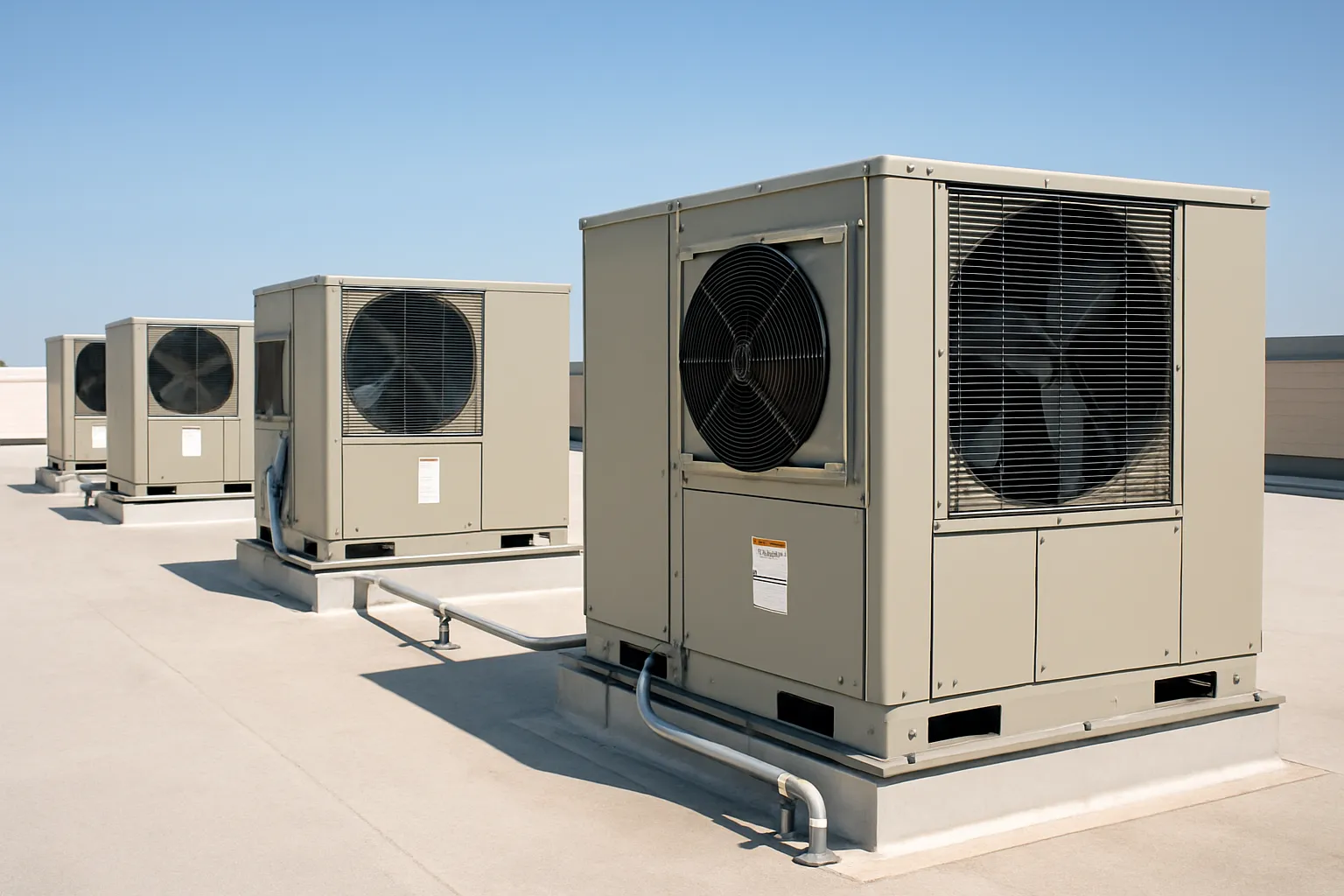
Reduced Refrigerant Charge and Alignment with Low-GWP Transitions
Another core design aim of AirFin is to reduce refrigerant charge in commercial HVAC equipment. This is strategically important as markets transition from legacy HFC refrigerants to lower-global-warming-potential (low‑GWP) alternatives under evolving regulations in North America and Europe. The U.S. Environmental Protection Agency (EPA) and comparable bodies in the EU are implementing phasedown schedules and use restrictions that make refrigerant selection and volume a key planning factor for building portfolios.
By engineering heat exchangers that can deliver required capacity with less refrigerant, OEMs like Trane can help reduce both direct emissions (from leaks over the equipment life) and the practical impact of future refrigerant price or availability constraints. Lower refrigerant volume also helps mitigate risk exposure if a system experiences a leak, both in terms of environmental footprint and replacement cost.
The AirFin platform is being developed with compatibility for low‑GWP refrigerants, which is essential for long-term regulatory alignment. Owners planning plant replacements or rooftop changeouts over the next 5–10 years need to anticipate refrigerant transitions. Selecting equipment that is designed around these next-generation refrigerants can reduce the need for interim retrofits and lower the likelihood of stranded assets if regulations tighten further.
In practical terms, this matters most for:
- Large tonnage chillers serving central plants (typically 200–2,000+ tons).
- Packaged rooftop units in the 20–150 ton range for big-box retail, warehouses, and office buildings.
- Applied airside systems where refrigerant circuits and coils are integral to air handlers and custom equipment.
For these applications, refrigerant charge reduction and documented low‑GWP readiness can be meaningful risk mitigants in capital planning.
Serviceability and Lifecycle Cost Implications for Facilities
Trane also positions AirFin as a step forward in serviceability—how easily coils can be accessed, inspected, cleaned, and repaired. While details on specific design features have not been fully disclosed, improvements in serviceability typically translate into shorter service visits, more predictable maintenance, and less disruption to building operations.
Facilities data from across the industry show that repair revenue and activity are increasing for mechanical contractors, indicating that owners are using capital more selectively and relying heavily on service and optimization to extend asset life.[2] In that context, any design that makes heat exchanger access and cleaning easier can help reduce downtime and improve the economics of running systems beyond their nominal life when necessary.
For property and facility managers, key lifecycle implications include:
- Lower maintenance labor burden: Easier access to coils can translate to fewer hours required for essential tasks like coil cleaning, leak checks, and inspection.
- Better performance retention: Coils that are easier to keep clean and properly serviced maintain efficiency closer to design levels, which protects energy savings modeled at project approval.
- Reduced disruption to tenants: Faster service windows and fewer invasive procedures mean less impact on tenant operations, especially in 24/7 environments like hospitals, data centers, and critical manufacturing.
When evaluating new Trane equipment that incorporates AirFin, facility teams should ask for serviceability details, including recommended maintenance intervals, typical access methods, and any specialized tools required.
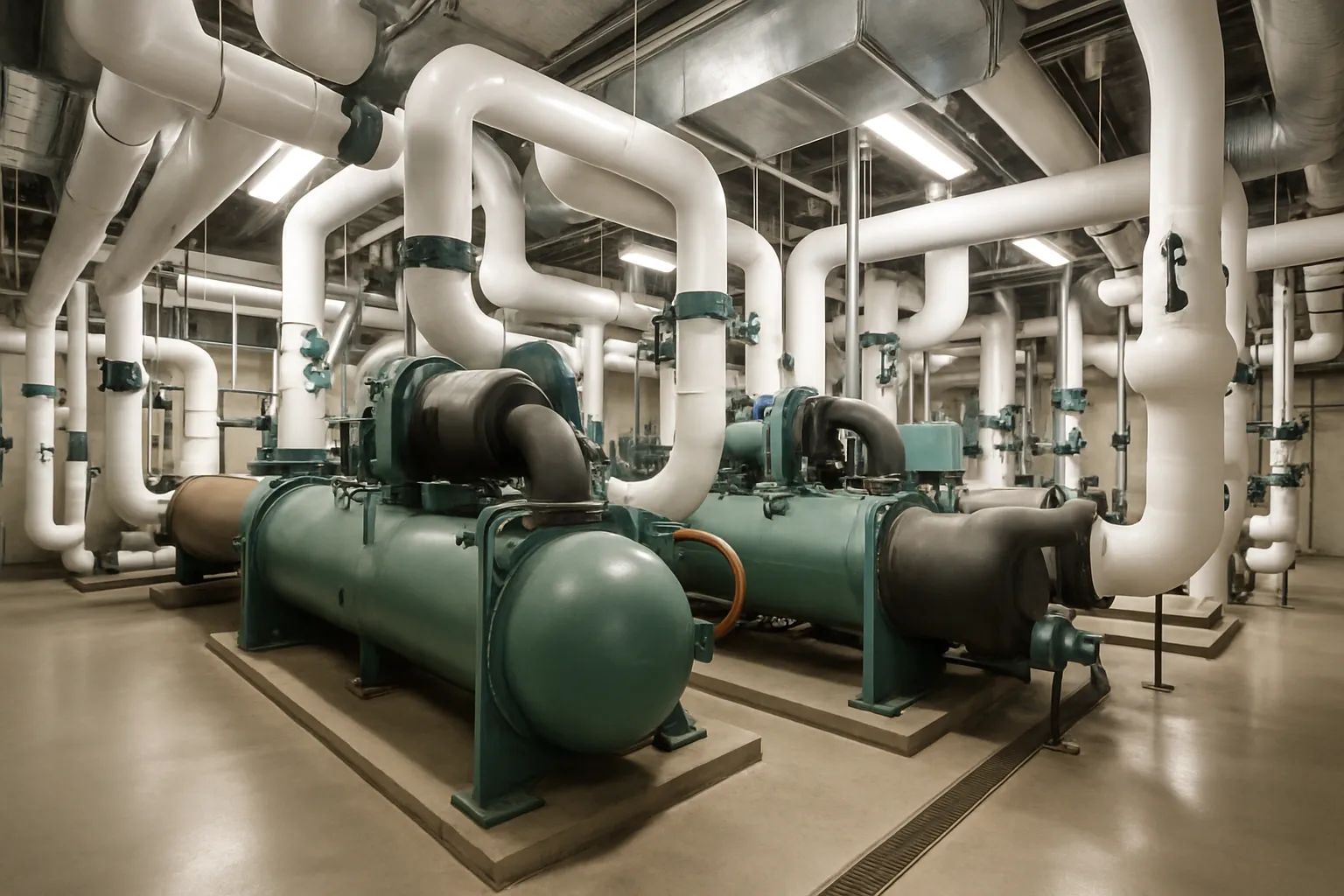
Where AirFin Will Appear: Applied and Unitary Commercial Systems
Trane’s announcement makes clear that AirFin is a platform intended for both applied and unitary commercial products. While the company has not yet published a full list of models, this typically covers a wide range of equipment including chillers, rooftop units, and other packaged systems commonly deployed in commercial real estate.[3][4][9]
For decision-makers, it is helpful to think in terms of major upgrade categories where AirFin may become relevant:
- Central plant upgrades: Water-cooled or air-cooled chillers in the 200–2,000+ ton range serving multi-building campuses, high-rise offices, and mission-critical facilities.
- Rooftop changeouts: 20–150 ton rooftop units on large retail, industrial, or office buildings, where roof loading, crane costs, and downtime are major decision drivers.
- Packaged and split systems: Mid-size applied systems serving data halls, labs, or high-ventilation spaces where both efficiency and refrigerant strategy are critical.
Because AirFin is a platform, it will likely phase into product lines over time rather than appearing everywhere at once. Managers should coordinate with Trane representatives, consulting engineers, and mechanical contractors to identify when specific AirFin-enabled models become available for the tonnage ranges relevant to planned projects.
Regulatory and Standards Context: ASHRAE, DOE, and EPA
AirFin’s focus on efficiency, refrigerant reduction, and serviceability lines up with several major regulatory and standards drivers.
Energy codes and standards: ASHRAE Standard 90.1 and related building energy codes continue to raise the bar for HVAC efficiency in new construction and major retrofits. DOE has also implemented more stringent efficiency requirements for commercial rooftop units and other equipment, influencing OEM design roadmaps.[4][5]
Refrigerant regulations: In the U.S., the EPA’s implementation of HFC phasedown requirements under the AIM Act, along with state-level rules, is pushing the market toward low‑GWP refrigerants. Similar trends are present in Europe under F‑gas regulations. Equipment that can operate efficiently with these refrigerants and minimize charge is better positioned for long-term compliance.
Decarbonization and ESG reporting: Many large property owners and corporate occupiers now disclose energy and emissions performance across their portfolios. HVAC upgrades aligned with higher efficiency and lower-GWP refrigerants are central strategies for meeting these targets. AirFin fits within this broader move as an enabling technology that supports OEM and owner decarbonization strategies.
Facility leaders should work with design engineers to ensure that any AirFin-equipped systems are evaluated not only on first cost, but also on modeled energy performance, refrigerant type and charge, and alignment with anticipated code and regulatory changes over the asset’s 15–25 year life.
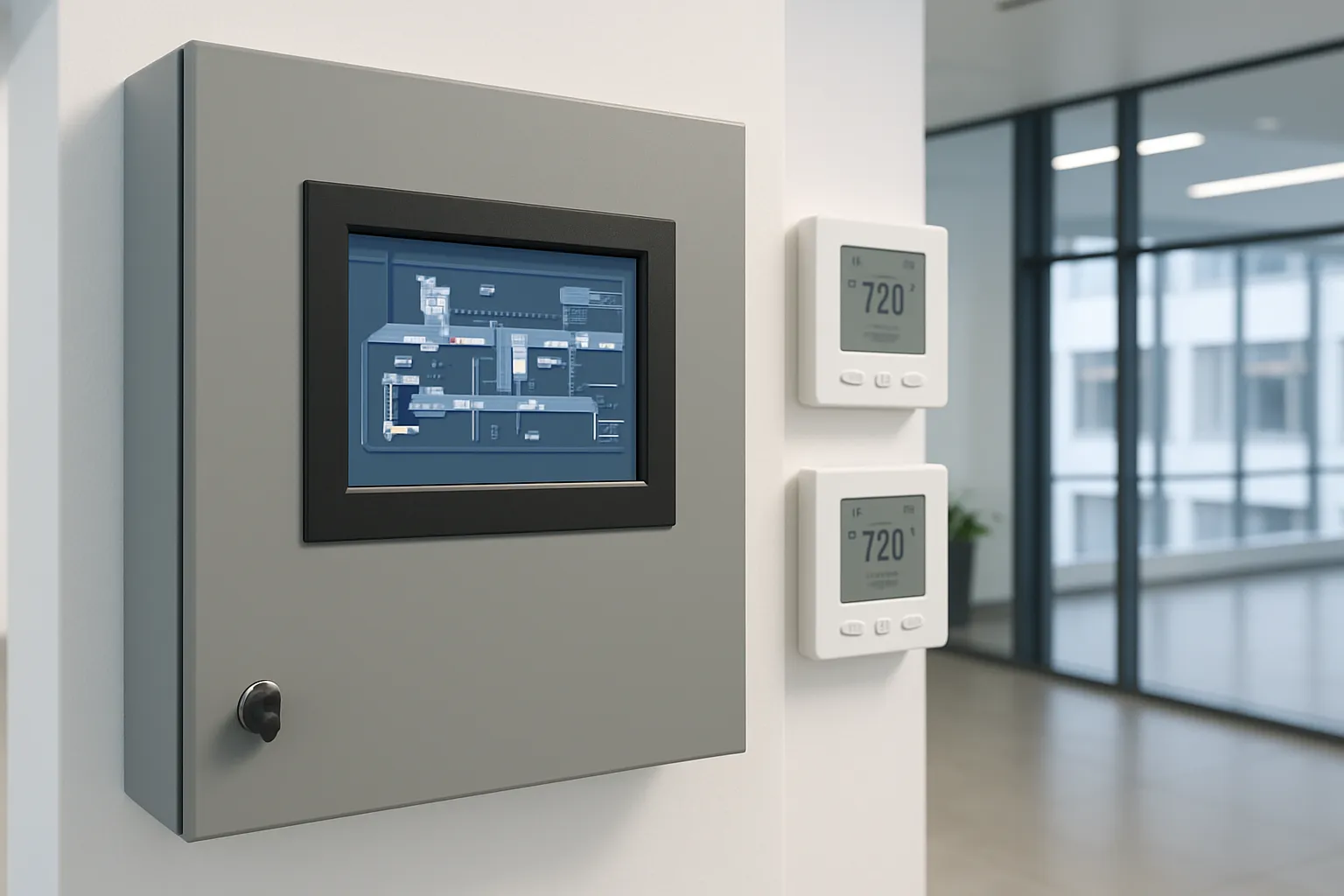
Action Steps for Property and Facility Managers Considering AirFin
Given the early stage of the AirFin rollout, building owners and facility managers can take practical steps now to integrate this technology into medium- and long-term planning:
- Ask about AirFin in upcoming projects: When scoping chiller, rooftop, or major HVAC replacements with Trane or their channel partners, ask whether AirFin is available for the required tonnage and application, and how it compares to legacy coil designs.
- Evaluate total cost of ownership (TCO): Request life-cycle cost analyses that include projected energy savings, refrigerant-related costs, and maintenance assumptions, compared with non-AirFin options.
- Align with ESG and decarbonization goals: Work with internal sustainability teams to quantify the potential contribution of AirFin-enabled efficiency and refrigerant reductions to corporate carbon targets or public commitments.
- Plan for refrigerant transitions: Confirm the refrigerant(s) supported by AirFin-equipped models and how they align with corporate and regulatory timelines for phasing down high-GWP refrigerants.
- Coordinate with service providers: Engage mechanical service partners early to understand any new maintenance best practices associated with AirFin and ensure they are prepared to support the technology across your portfolio.
By treating AirFin as a strategic platform rather than a minor component change, property and facility leaders can make more informed decisions about capital planning, compliance, and long-term operating costs in a tightening regulatory and ESG environment.
Frequently Asked Questions
How should a national property portfolio evaluate the ROI of AirFin-equipped Trane systems?
Portfolio owners should evaluate ROI by combining projected energy savings from higher-efficiency AirFin coils with reduced refrigerant risk and potentially lower maintenance time. Work with engineers and Trane representatives to obtain life-cycle cost models that account for utility rates, expected operating hours, local codes, and refrigerant transition timelines across all sites.
Will AirFin help my buildings stay compliant with future refrigerant and efficiency regulations?
AirFin is being developed to support higher efficiency levels and compatibility with low‑GWP refrigerants, which aligns with trends in DOE efficiency standards, ASHRAE 90.1, and EPA HFC phasedown policies. While no single technology guarantees compliance, choosing equipment built around these priorities reduces regulatory risk over a 15–25 year asset life.
Is AirFin only relevant for large central plants, or does it matter for mid-size buildings too?
AirFin is targeted at applied and unitary commercial products, so it can impact both large chiller plants and mid-size rooftop or packaged systems commonly used in offices, retail, logistics, and healthcare. For mid-size buildings, improved coil efficiency and lower refrigerant charge can still meaningfully reduce operating costs and future regulatory exposure.
What should I ask my engineering team about AirFin before approving a major HVAC project?
Ask your engineers to clarify which proposed Trane models incorporate AirFin, how the technology affects projected energy use intensity, refrigerant type and charge, and maintenance strategy, and how all of this compares to alternative equipment. Request sensitivity analyses for utility price changes and future refrigerant constraints to understand long-term risk and value.
Are there risks or downsides to adopting a next-generation heat exchanger platform like AirFin early?
The main considerations are ensuring service support, understanding any unique maintenance needs, and confirming that spare parts and training are widely available. Working with established manufacturers like Trane reduces technology risk, but owners should still require clear documentation, performance data, and warranties before deploying a new platform at scale.
Related Reading on My HVAC Tech
- Local Law 97 Explained: Compliance Guide for Commercial Buildings
- rtu hvac: Practical Commercial Rooftop Unit Tips for Property Managers
Find a Qualified Commercial HVAC Contractor
Need help acting on this? Browse vetted commercial HVAC contractors in your area, or explore commercial HVAC services like preventive maintenance, retrofits, and emergency repair. Are you a contractor? List your business on My HVAC Tech to reach property and facility managers actively searching for help.
Sources
Originally sourced from Trane Technologies Newsroom

