

ashrae 90.1: What Commercial Property Managers Need to Know
Quick Answers for Property & Facility Managers
What is ashrae 90.1 and why does it matter for commercial buildings?
ashrae 90.1 is the ASHRAE/IES energy standard that sets minimum energy-efficiency requirements for most commercial buildings and systems, except low-rise residential buildings. It matters because many states and local jurisdictions adopt it directly or use it as the basis for energy codes, affecting HVAC, lighting, envelopes, and project approvals.[2][6][7]
Who has to comply with ashrae 90.1?
It applies to new commercial buildings, new portions of buildings, new systems and equipment in existing buildings, and some site and industrial systems. For property managers, facility managers, and building owners, compliance is typically triggered by new construction, major renovation, replacement equipment, or code-driven permit review.[2][3]
ashrae 90.1 and what it means for commercial property managers
ASHRAE 90.1 is the leading U.S. energy standard for commercial buildings and building systems, and it is widely used as the technical foundation for state and local energy codes.[2][6][7] For property managers, facility managers, and building owners, the practical question is simple: does a project, retrofit, or equipment replacement need to meet a code pathway tied to ashrae 90.1?
The standard sets minimum requirements for energy-efficient design and construction of most sites and buildings except low-rise residential buildings.[2] It is not a single federal law by itself, but it becomes enforceable when adopted by a state, city, county, or referenced in a building code, permit condition, or public project specification.[6][7]
What ashrae 90.1 covers in offices, retail, healthcare, and warehouses
ASHRAE describes the standard as covering design and construction of new buildings, new portions of buildings, new systems and equipment in existing buildings, and criteria for determining compliance.[2] For commercial portfolios, the most visible impacts usually show up in HVAC, lighting, controls, and envelope upgrades.
- HVAC systems: minimum efficiencies, economizers, ventilation controls, heat recovery, and part-load performance requirements.
- Controls: occupied/unoccupied scheduling, setback control, automatic shutoff, and demand-responsive features where required.
- Lighting: power density limits, daylight controls, occupancy controls, and functional lighting reductions.
- Building envelope: insulation, fenestration, and air leakage requirements that affect load and operating cost.
For healthcare owners, the 2025 edition incorporated addenda that added unoccupied setback requirements for certain clinical spaces with high air-change rates, including operating rooms, surgical cystoscopy rooms, procedure rooms, and Class 2 and Class 3 imaging rooms.[1] That matters because these spaces may need temperature or ventilation setbacks when unoccupied, while still preserving patient safety and operational readiness.[1]
Who enforces ashrae 90.1 and how state and local codes fit in
ASHRAE develops the standard, but enforcement usually comes from state, local, or project-specific code adoption rather than from ASHRAE itself.[2][6] In practice, the authority having jurisdiction may be a city building department, state energy office, fire marshal, health department, or other code official depending on the project type and location.
The U.S. Department of Energy tracks commercial energy-code pathways and recognizes performance-based compliance routes associated with Standard 90.1, including the Energy Cost Budget method and the Performance Rating Method.[7] That means many teams must treat ashrae 90.1 as a compliance baseline, especially when a jurisdiction allows or requires performance modeling during permitting or commissioning.[7]
For property managers and owners, this means a capital project in one market may follow a prescriptive path, while the same scope in another market may require energy modeling, documentation, and close coordination with the design team and code official.
Key ashrae 90.1 requirements that most affect building operations
The exact requirements vary by edition and project scope, but the standard’s most important commercial impacts are consistent: lower energy use through efficient systems, tighter controls, and verified compliance documentation.[2][4] In the 2025 edition, ASHRAE states that the standard incorporates 105 addenda that advance efficiency, expand compliance options, and better align with industry practice.[2]
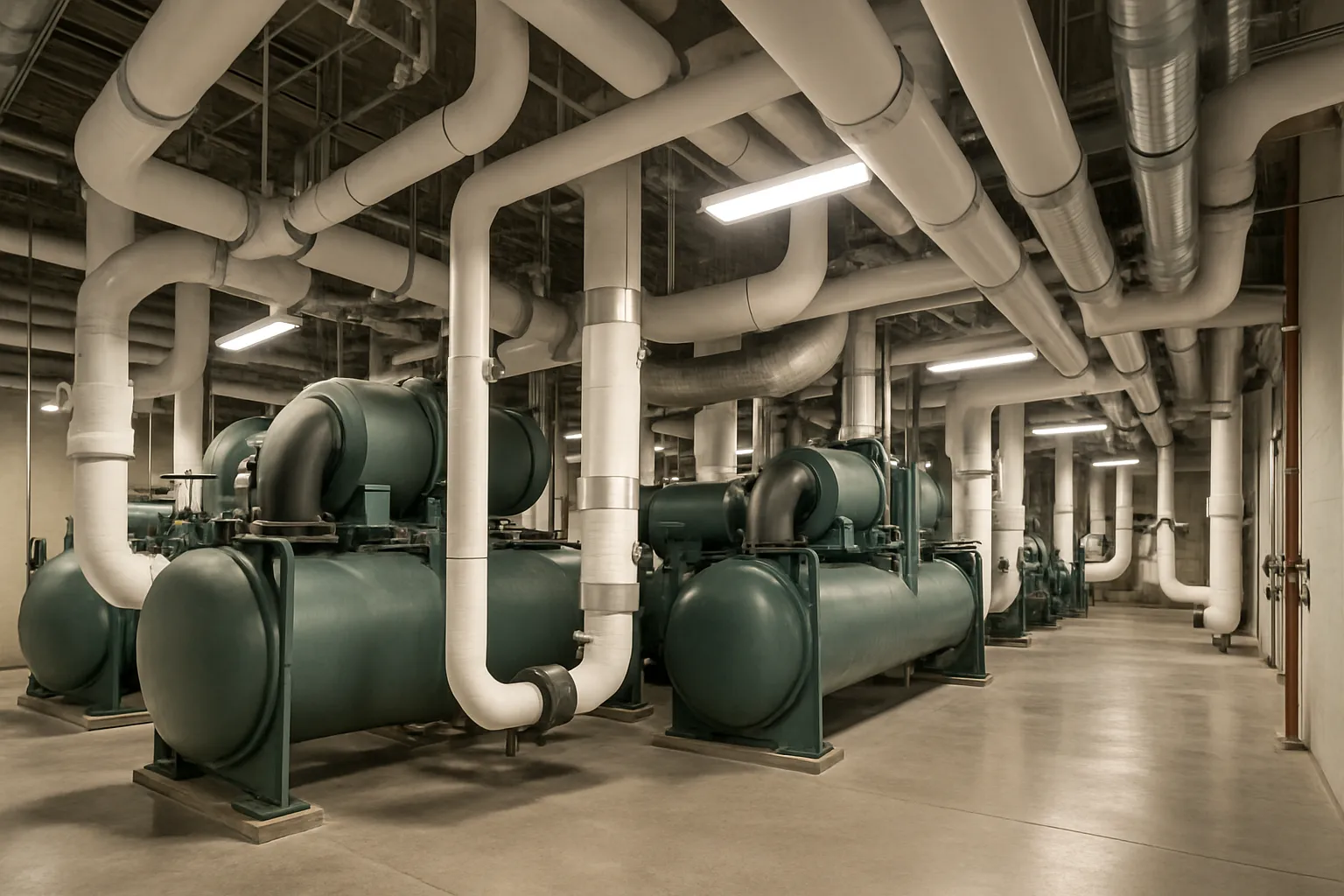
- Equipment efficiency: chillers, boilers, RTUs, heat pumps, fans, pumps, and motors must meet minimum efficiency thresholds for the applicable edition.
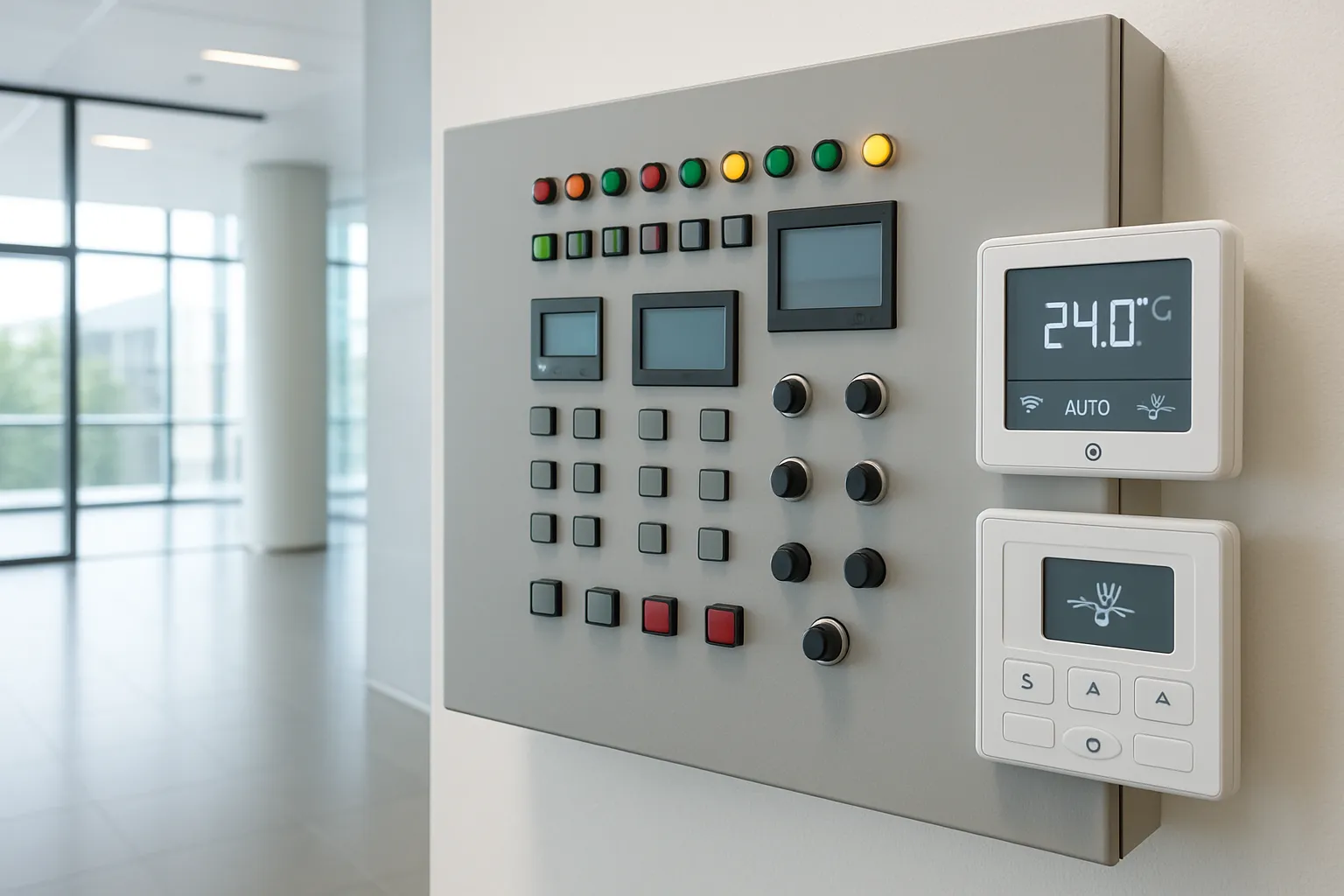
- HVAC controls: scheduling, setback, deadband, shutoff, and zone control requirements help reduce runtime and waste.
- Ventilation strategy: outside-air delivery, energy recovery, and unoccupied strategies can affect both compliance and operating cost.
- Lighting and plug load management: automatic controls and connected systems are common compliance drivers in offices, retail, and mixed-use facilities.
For facility teams, this usually means documenting equipment selections, sequences of operation, control narratives, commissioning results, and as-built drawings that reflect the installed system rather than the original concept design.
Deadlines, trigger events, and what counts as non-compliance
ASHRAE 90.1 does not create a single national compliance deadline because adoption is local and edition-specific.[2][6] The deadline is generally tied to the permit date, project approval date, or the effective date of the adopted code in the jurisdiction where the building is located.
Common trigger events include new construction, tenant improvements that change systems or lighting, major HVAC replacement, envelope renovation, and equipment replacement that is large enough to fall under the adopted code scope. For building owners, the safest rule is to assume that any permit-driven project may be reviewed against the current adopted edition or local amendments.
Non-compliance is usually handled through code enforcement rather than a standalone ASHRAE fine. Typical consequences can include failed permit review, delayed occupancy approval, stop-work orders, required redesign, re-inspection, or retrofit costs to correct deficient work. In some jurisdictions, repeated or willful code violations can also lead to civil penalties under local law.
How the AIM Act, EPA, and DOE affect HVAC decisions alongside ashrae 90.1
ASHRAE 90.1 is only one part of the regulatory picture for commercial HVAC. The EPA’s AIM Act directs the phasedown of hydrofluorocarbons (HFCs), which affects refrigerant choices, equipment availability, and long-term service strategy.[8] For owners of chillers, VRF systems, heat pumps, and packaged equipment, refrigerant compliance can shape replacement timing just as much as energy-code compliance.
The DOE also matters because it administers and tracks energy efficiency rules and code resources, including performance-based compliance pathways tied to Standard 90.1.[7] In many markets, a project must satisfy both the local energy code and product-level federal efficiency requirements, while also aligning refrigerant selection with the AIM Act transition.
For asset planning, the combined effect is clear: a new rooftop unit, chiller, or heat-pump project should be evaluated for code efficiency, controls, refrigerant type, and serviceability before procurement.
Step-by-step compliance roadmap for commercial buildings
Property managers and building owners can reduce risk by treating ashrae 90.1 as a project workflow, not just a technical document.[2][7]
- 1. Confirm the adopted edition: Identify the local code version, state amendments, and permit date that control the project.
- 2. Define the scope: Determine whether the work is new construction, a renovation, a tenant fit-out, or equipment replacement.
- 3. Review systems early: Check HVAC tonnage, controls, lighting, and envelope impacts before finalizing procurement.
- 4. Choose the compliance path: Use prescriptive, trade-off, or performance methods if permitted in the jurisdiction.[7]
- 5. Document equipment and sequences: Keep cut sheets, control narratives, schedules, and calculations organized for plan review.
- 6. Coordinate commissioning: Verify that installed controls, setbacks, and energy features actually operate as designed.
- 7. Retain records: Keep as-builts, O&M manuals, and commissioning reports for audits, ownership transfers, or future retrofits.
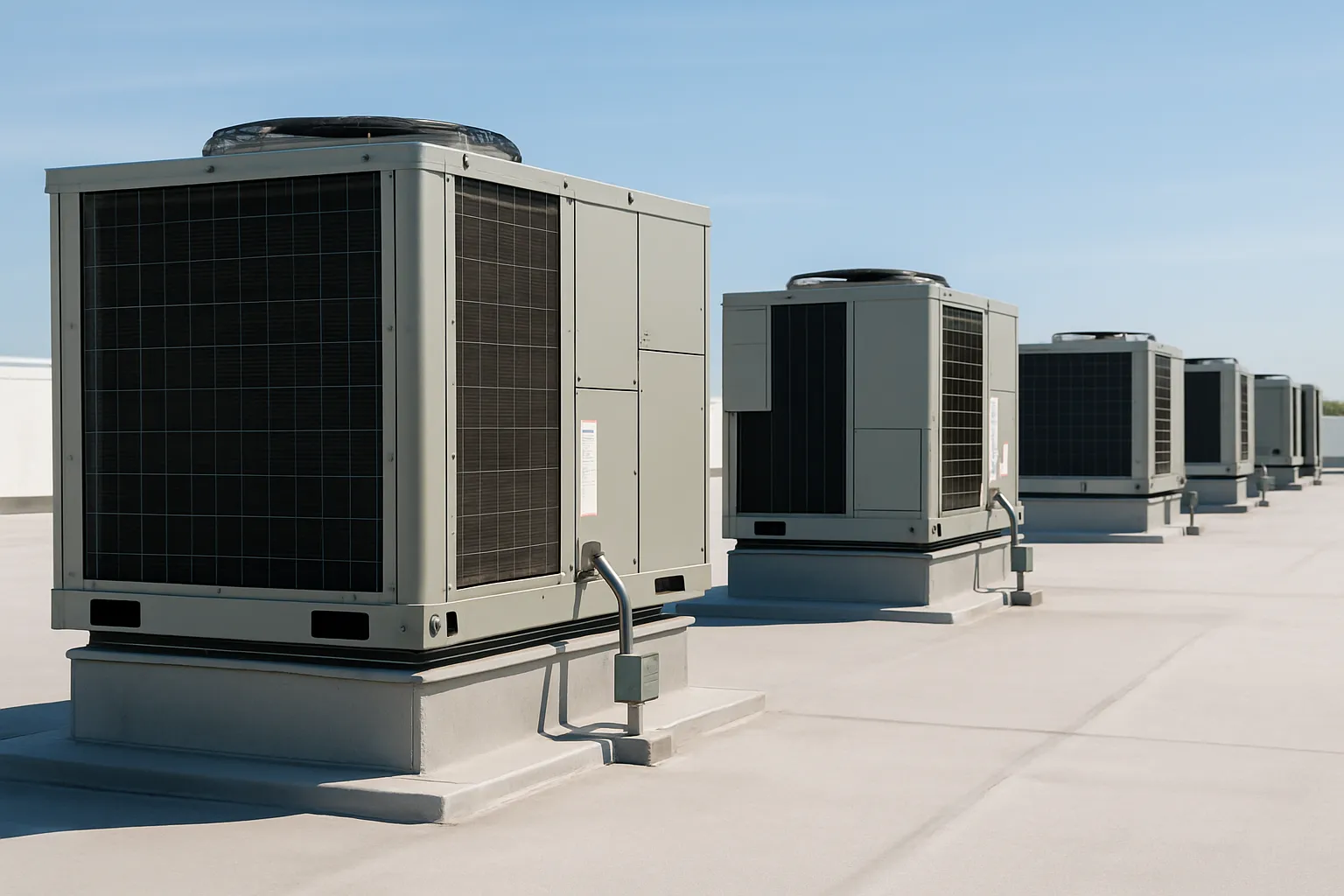
For portfolios with common packaged systems, typical compliance decisions often involve rooftop units in the 3-to-30 ton range for retail and office suites, larger chilled-water or heat-pump systems in mid-rise buildings, and specialized ventilation requirements in healthcare and lab-like spaces. The specific equipment size does not change the need for documentation, but it often changes the complexity of the compliance path.
Practical takeaways for owners planning HVAC upgrades or new development
If your project touches HVAC, lighting, or controls, ashrae 90.1 should be reviewed at the concept stage, not after equipment is selected.[2][7] The biggest cost risks usually come from late design changes, undocumented substitutions, and control sequences that do not match the approved compliance model.
For commercial owners, the best buying criteria are not just first cost and efficiency ratings. They also include local code fit, refrigerant direction under the AIM Act, available service support, commissioning burden, and how easily the system can meet the adopted edition of ashrae 90.1 in your jurisdiction.[2][7][8]
Frequently Asked Questions
Does ashrae 90.1 apply to existing buildings, or only new construction?
It applies to more than new construction. ASHRAE states that the standard covers new buildings, new portions of buildings, new systems and equipment in existing buildings, and criteria for compliance.[2][3] For owners, that means a major HVAC replacement, lighting retrofit, or tenant improvement can trigger review even if the building itself is not new.
What is the penalty for violating ashrae 90.1?
ASHRAE 90.1 itself is not usually the body issuing a fine; enforcement typically comes through the adopted state or local energy code.[2][6] Common consequences include permit rejection, project delays, rework, or stop-work orders. In some jurisdictions, repeated code violations can also lead to civil penalties under local law.
How does ashrae 90.1 affect HVAC replacement decisions?
It can affect equipment efficiency, controls, ventilation strategy, and commissioning requirements, which means replacement planning should start with code review.[2][7] For commercial owners, the most cost-effective path is often choosing equipment and sequences that satisfy both the adopted energy code and long-term operating goals, instead of trying to retrofit compliance later.
How do the AIM Act and EPA refrigerant rules relate to ashrae 90.1?
They address different risks that often overlap in HVAC projects. ashrae 90.1 focuses on energy efficiency, while the AIM Act drives the federal phasedown of HFC refrigerants.[8] A commercial HVAC project may need to satisfy both energy-code requirements and refrigerant-transition strategy at the same time.
What should a property manager ask a contractor before approving a project under ashrae 90.1?
Ask which code edition is adopted locally, which compliance path will be used, what documentation will be provided, and how the installed controls will be commissioned.[2][7] For larger projects, also ask whether refrigerant choice, energy modeling, and long-term maintenance costs were considered in the design.
Related Reading on My HVAC Tech
- Commercial HVAC Preventive Maintenance Guide for Property & Facility Managers
- Tube Boiler Recall: What Property and Facility Managers Need to Do Now
Find a Qualified Commercial HVAC Contractor
Need help acting on this? Browse vetted commercial HVAC contractors in your area, or explore commercial HVAC services like preventive maintenance, retrofits, and emergency repair. Are you a contractor? List your business on My HVAC Tech to reach property and facility managers actively searching for help.


